
Safe Working at Height with Work-Assist Lifts
Working at height is a common requirement across many industries and settings. Whether maintaining a building, installing equipment, or carrying out inspections, the risks involved can be significant. Using work-assist lifts correctly is one of the best ways to reduce these risks. In this post, I will share practical advice and clear guidance on how to ensure working at height safety with work-assist lifts. This will help businesses, care homes, and individuals using lifting equipment to protect their teams and comply with regulations.
Understanding the Importance of Working at Height Safety
Working at height safety is not just about following rules; it is about protecting lives. Falls from height remain one of the leading causes of serious injuries and fatalities in the workplace. Many accidents happen because of inadequate equipment, poor planning, or lack of training.
Work-assist lifts provide a stable platform that can significantly reduce the risk of falls. However, they must be used correctly. This means selecting the right type of lift for the task, ensuring it is well maintained, and that operators are fully trained.
Key points to remember:
Always assess the risk before starting any work at height.
Choose the correct lift for the job.
Inspect the equipment before use.
Use personal protective equipment (PPE) as required.
Follow safe operating procedures at all times.
By focusing on these areas, you can create a safer working environment and reduce the chance of accidents.
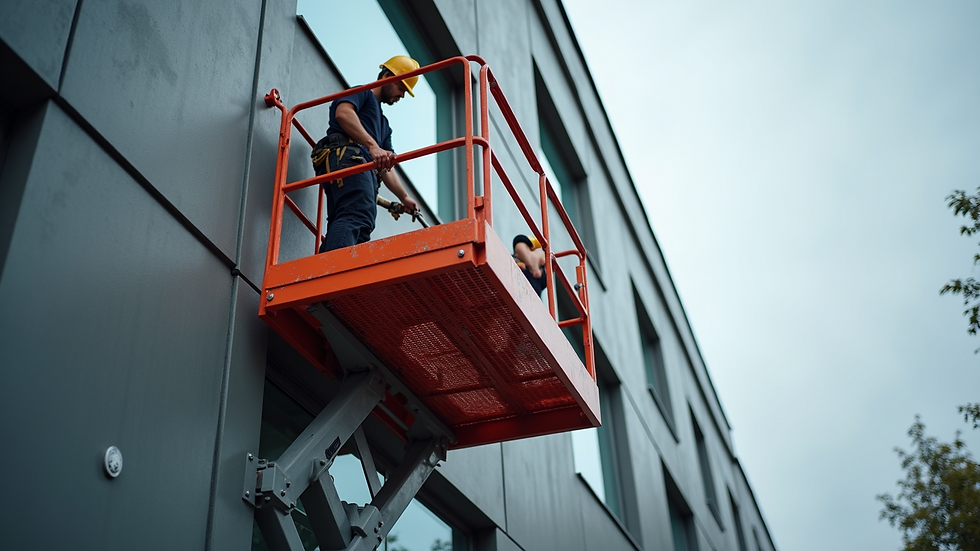
Choosing the Right Work-Assist Lift for Your Needs
There are several types of work-assist lifts available, including scissor lifts, boom lifts, and vertical mast lifts. Each has its advantages depending on the task and environment.
Scissor lifts are ideal for vertical elevation and provide a large platform for workers and tools.
Boom lifts offer greater reach and flexibility, allowing access to difficult areas.
Vertical mast lifts are compact and suitable for narrow spaces.
When selecting a lift, consider:
The height you need to reach.
The weight capacity required.
The terrain where the lift will be used.
The space available for maneuvering.
Choosing the right equipment reduces the risk of instability and accidents. It also improves efficiency by making the task easier to perform.
Regular maintenance and inspections are essential to keep lifts in safe working order. This includes checking hydraulic systems, controls, safety devices, and structural components.

Training and Competence: The Foundation of Safe Use
Even the best equipment can be dangerous if not used properly. Training is critical to ensure operators understand how to use work-assist lifts safely.
Training should cover:
How to operate the lift controls.
How to perform pre-use inspections.
Emergency procedures.
Safe positioning and movement.
Understanding load limits.
Competent operators are less likely to make mistakes that lead to accidents. Refresher training should be provided regularly to keep skills up to date.
Employers have a legal duty to ensure that anyone using lifting equipment is trained and competent. This protects both the worker and the organisation.
Planning and Risk Assessment for Every Job
Before starting any work at height, a thorough risk assessment must be carried out. This helps identify potential hazards and decide on control measures.
A good risk assessment will:
Identify the work to be done and the height involved.
Evaluate the condition of the work area.
Consider weather conditions if working outdoors.
Determine the best type of lift and safety equipment.
Plan for emergency rescue if needed.
Planning also includes ensuring that the lift is positioned on a stable surface and that the area below is cordoned off to protect others.
By taking the time to plan, you reduce the chance of unexpected problems and improve overall safety.
Ensuring Compliance with LOLER and Other Regulations
In the UK, the Lifting Operations and Lifting Equipment Regulations (LOLER) set out legal requirements for lifting equipment safety. Work-assist lifts fall under these regulations.
LOLER requires:
Regular thorough examinations of lifting equipment by a competent person.
Keeping records of inspections and maintenance.
Immediate reporting and repair of any defects.
Safe use and operation by trained personnel.
Complying with LOLER is not just a legal obligation; it is a vital part of maintaining a safe workplace. It also helps avoid costly fines and downtime caused by equipment failure.
For those using work-assist lifts, partnering with a trusted provider for LOLER inspections can make compliance simple and stress-free. This ensures that equipment is safe and ready for use whenever needed.
You can learn more about safe working at height and how to stay compliant with regulations.
Practical Tips for Safe Working at Height with Work-Assist Lifts
To wrap up, here are some practical tips to keep in mind when using work-assist lifts:
Always wear appropriate PPE, including harnesses if required.
Never exceed the lift’s weight capacity.
Keep the platform clear of unnecessary tools and materials.
Avoid sudden movements or overreaching while on the lift.
Communicate clearly with ground personnel.
Follow manufacturer guidelines and safety instructions.
Report any faults or damage immediately.
By following these simple steps, you can help ensure that every job is completed safely and efficiently.
Working at height can be challenging, but with the right equipment, training, and planning, it can be done safely. Work-assist lifts are valuable tools that, when used correctly, protect workers and improve productivity. Remember, safety is always the priority. Taking the time to prepare and follow best practices will pay off in the long run.
If you want to make lifting equipment safety and compliance simple and stress-free, consider working with a reliable partner for your LOLER inspections. This partnership supports your commitment to safety and helps maintain the highest standards across all your lifting operations.


Comments